
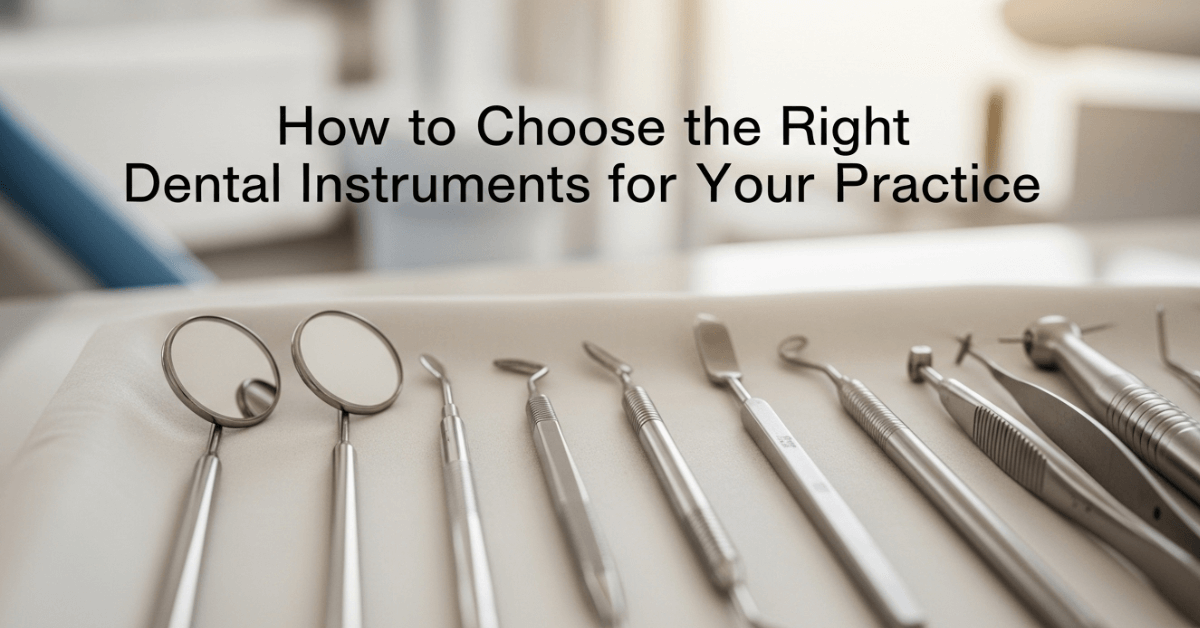
How to Choose the Right Dental Instruments for Your Practice
Choosing the right dental instruments is essential for providing high-quality patient care and running an efficient dental practice. With so many tools and pieces of equipment available, it can be overwhelming to make the right choice. This guide will help you understand the process and provide practical advice on how to choose dental instruments for your clinic.
Understanding the Basics of Dental Instrument Selection
Selecting the right instruments starts with understanding your practice’s specific needs. The tools you choose impact not only patient safety and comfort but also your efficiency during procedures. When thinking about dental instrument selection, consider the types of treatments you provide, the skill levels of your staff, and the durability of the instruments.
Investing in high-quality instruments is crucial. Cheaper alternatives may seem cost-effective at first, but they can wear out quickly, affect patient outcomes, and increase replacement costs over time.
Key Factors to Consider in Dental Instrument Selection
1. Purpose and Procedure
Every dental instrument is designed for a specific task. It is important to match the instrument to the procedure it will be used for. Common categories include:
- Diagnostic tools: Mirrors, explorers, probes
- Restorative tools: Carvers, condensers, burnishers
- Surgical tools: Forceps, scalpels, elevators
- Hygiene tools: Scalers, curettes, ultrasonic instruments
Knowing the intended use helps avoid unnecessary purchases and ensures your team has the right instruments for each task.
2. Quality and Material
Dental instruments come in a variety of materials, such as stainless steel, titanium, and carbon steel. Maintenance of these is equally important. High-quality materials increase durability, resist corrosion, and maintain sharpness for longer. Stainless-steel instruments are popular because they are easy to sterilise and maintain. Regular cleaning, sterilisation, and inspection not only extend the life of your instruments but also protect patients from potential infections.
3. Ergonomics and Comfort
Ergonomics is another key factor. Instruments that feel comfortable in the hand improve precision, reduce fatigue, and help your team perform procedures confidently. A comfortable instrument reduces hand fatigue and improves precision. Look for instruments with:
- Balanced weight
- Non-slip handles
- Rounded edges and smooth surfaces
Investing in ergonomically designed instruments helps dental professionals perform procedures accurately and reduces the risk of repetitive strain injuries.
Dental Instruments Buying Guide
Choosing the right instruments can be simplified by following a dental instrument buying guide. Here are the key steps to follow:
- Assess your practice needs: List all procedures performed regularly and identify essential instruments.
- Set a budget: Quality instruments are an investment. Balance initial cost with long-term durability.
- Research brands: Look for trusted manufacturers known for reliability and safety standards.
- Check reviews: See what other dental professionals say about performance, comfort, and longevity.
- Test samples, if possible: Some suppliers provide trial instruments before a bulk purchase.
Common Mistakes to Avoid in Dental Tool Selection
Even experienced dentists sometimes make errors when buying instruments. Avoid these pitfalls:
- Buying instruments based on appearance rather than functionality
- Overlooking sterilisation requirements
- Ignoring compatibility with existing equipment
- Choosing instruments that are too heavy or uncomfortable
Correct planning ensures your practice runs smoothly and maintains high standards of patient care.
Still Confused? Here’s An Easier Way to Understand:
|
Instrument Type |
Primary Use |
Material Recommendations |
Ergonomic Tips |
|
Mirror |
Examination |
Stainless steel |
Non-slip handle, angled head |
|
Explorer |
Detecting cavities |
Stainless steel |
Comfortable grip, lightweight |
|
Condenser |
Filling procedures |
Carbon steel |
Balanced weight |
|
Forceps |
Tooth extraction |
Titanium or stainless steel |
Smooth handles, curved tip |
|
Scaler |
Plaque and tartar removal |
Stainless steel |
Textured grip, lightweight |
|
Elevator |
Tooth and root lifting |
Stainless steel |
Ergonomic handle, precision tip |
Tips for Maintaining Dental Instruments
Proper maintenance increases the lifespan of your instruments and ensures patient safety. Follow these key tips:
- Clean instruments immediately after use
- Sterilise according to manufacturer guidelines
- Inspect for wear, rust, or damage.
- Store in dry, organised, and protective cases
- Sharpen instruments regularly to maintain efficiency.
By taking care of your tools, you reduce the risk of infection, improve procedural outcomes, and save money on frequent replacements.
Expert Advice on Dental Tools Selection
Dental professionals often share practical advice for selecting dental tools. Here are a few recommendations:
- Consult with colleagues to find instruments that have proven reliable in real-world practice.
- Attend dental conferences or workshops to see the latest tools in action.
- Consider modular instruments that allow interchangeable tips for different procedures.
- Always verify instrument certification to comply with health and safety regulations.
For larger orders, as a reputable dental instrument supplier, we can offer guidance on bulk purchases, warranty options, and custom instrument sets.
Modern Options for Buying Dental Instruments
Technology has made purchasing dental instruments easier than ever. Online stores offer a wide selection of tools, detailed product specifications, and customer reviews. You can buy dental tools online from trusted retailers, ensuring you get high-quality instruments delivered directly to your practice.
Conclusion
Choosing the right dental instruments is more than just buying tools; it is an investment in your practice’s efficiency, patient safety, and overall professional reputation. Taking the time to understand your clinic’s needs, the types of procedures you perform, and the skill levels of your staff makes a huge difference in selecting the right instruments. Quality should always be a priority because durable, reliable tools save money in the long run and reduce disruptions caused by frequent replacements or maintenance issues.
By following a structured approach and focusing on long-term value, your dental practice will be equipped with the right tools to handle any procedure efficiently. Thoughtful dental instrument selection ensures your patients receive the best care, your staff work safely and comfortably, and your practice operates smoothly and professionally.
At the same time, if you want to buy dental tools online from a trusted supplier, we have got you covered. We make it easier to equip your practice with reliable instruments without any hassle. Choosing wisely today sets your clinic up for success tomorrow.
Disclaimer
No dentist-patient relationship is created by your use of this site. This content is for informational and educational purposes only and does not constitute professional medical advice, diagnosis, or treatment. Always seek the advice of a qualified dentist or dental professional regarding any oral health concerns. Never disregard professional advice because of something you have read on this blog. No dentist-patient relationship is created by your use of this site. Use of any information provided on this site is solely at your own risk If you have a dental emergency, contact your local emergency services immediately.


