1. How to Choose the Right Dental Instruments for Your Practice

    How to Choose the Right Dental Instruments for Your Practice

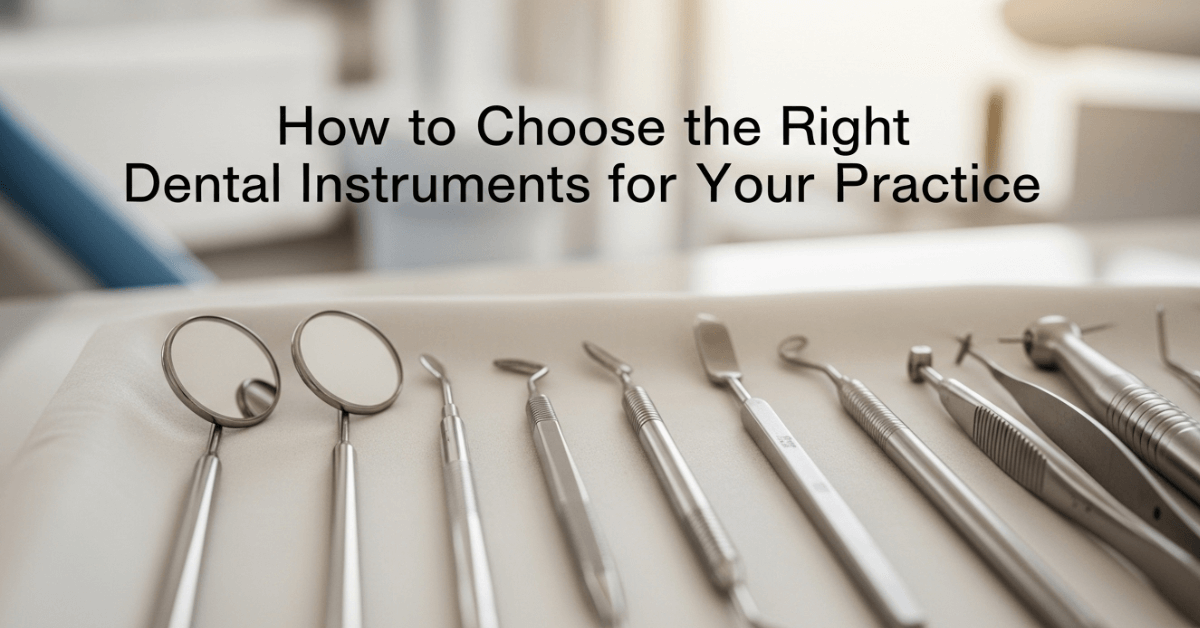
    Choosing the right dental instruments is essential for providing high-quality patient care and running an efficient dental practice. With so many tools and pieces of equipment available, it can be overwhelming to make the right choice. This guide will help you understand the process and provide practical advice on how to choose dental instruments for your clinic.

    Understanding the Basics of Dental Instrument Selection

    Selecting the right instruments starts with understanding your practice’s specific needs. The tools you choose impact not only patient safety and comfort but also your efficiency during procedures. When thinking about dental instrument selection, consider the types of treatments you provide, the skill levels of your staff, and the durability of the instruments.

    Investing in high-quality instruments is crucial. Cheaper alternatives may seem cost-effective at first, but they
    Read more
  2. Essential Dental Instruments Every Dental Clinic Needs

    Essential Dental Instruments Every Dental Clinic Needs

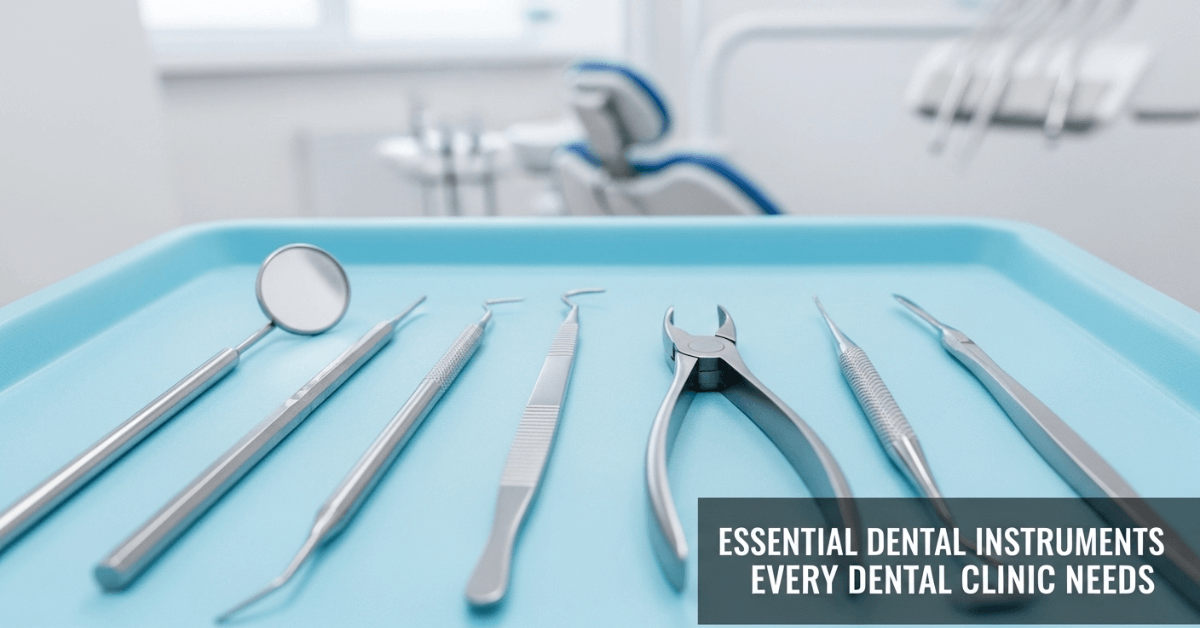
    Running a dental clinic is not only about skill and patient care. It also depends heavily on having the right tools within easy reach. From routine check-ups to complex procedures, the quality and range of instruments can shape the patient experience and the efficiency of the dental team. This guide breaks down essential dental instruments every clinic should have, explained in a clear and practical way, so it feels like advice from a colleague rather than a textbook.

    Why The Right Dental Instruments Matter

    Dental instruments are the backbone of daily clinical work. Without reliable tools, even the most experienced dentist can face delays, discomfort for patients, and compromised results.

    Having must-have dental instruments for clinics plays a major role in accurate diagnosis during initial assessments. When the right tools are available, dentists can identify issues early, assess oral health

    Read more
  3. How to Maintain Sterilisation Standards in Dental Practices?

    How to Maintain Sterilisation Standards in Dental Practices?

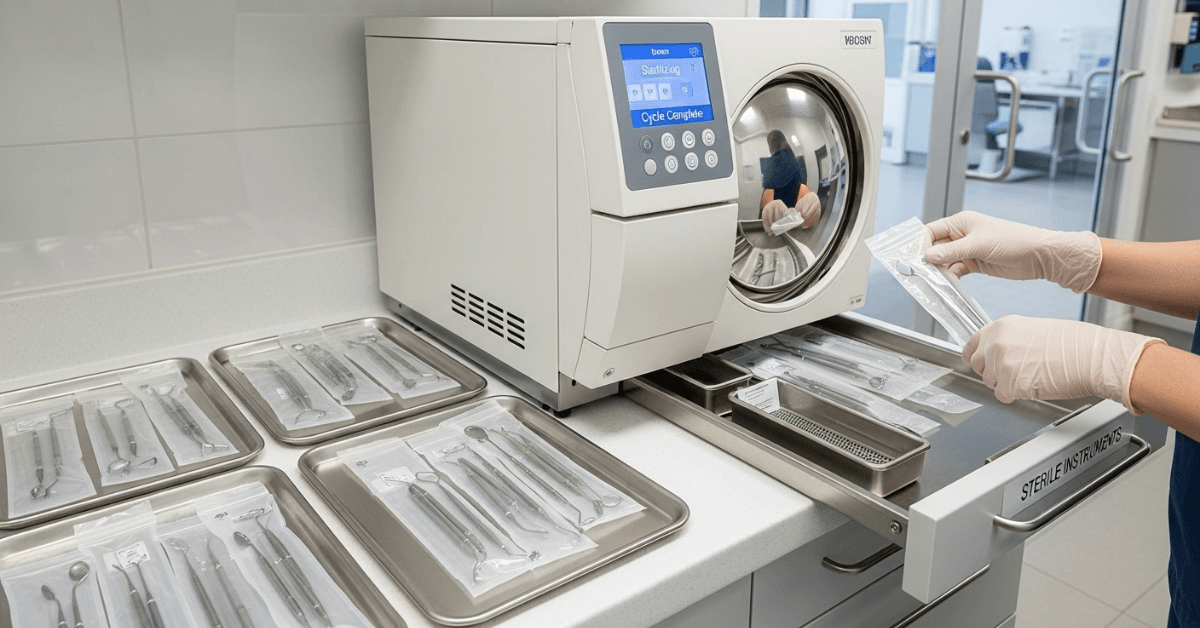
    Sterilisation sits at the heart of safe dentistry. Every dental procedure relies on clean, properly processed instruments to protect patients, clinicians, and support staff. When sterilisation standards slip, the consequences can be serious. Patients face higher infection risks, while staff exposure to contaminated instruments can lead to illness, injury, or regulatory action. In dental practices, maintaining consistent sterilisation requires more than basic cleaning. Dental clinics also operate under strict infection control expectations, which place responsibility on practices that support compliance with dental sterilisation standards in Australia.

    This blog serves as a practical dental practice sterilisation guide. It explains core principles, outlines clear procedures, and highlights best practices. You will get to know how to identify weak points in current workflows and strengthen them with simple,

    Read more
  4. How Does Stress Affect Your Oral Health?

    How Does Stress Affect Your Oral Health?

    Stress has become a normal part of modern life, yet its impact reaches far beyond our mental state. It can influence everything from our immune system to our digestive health and even our oral health. Many people wonder, can stress affect oral health? The answer is yes.

    In this blog, we will explore how anxiety impacts oral health, the signs to watch for, and practical steps you can take to safeguard your smile, even during life’s most challenging moments.

    The Biological Link Between Stress and Oral Health

    Stress triggers a chain of biological responses that affect many body systems, including the mouth. When the body reacts to stress, it releases cortisol and other stress hormones, which can make the mouth more vulnerable to infection and slower to heal.

    Prolonged stress can weaken your immune system, reduce saliva production, and lead to habits like teeth grinding or skip

    Read more
  5. How Do Dentists Help Patients Overcome Dental Anxiety?

    How Do Dentists Help Patients Overcome Dental Anxiety?

    For many individuals, visiting the dentist can trigger nervousness, rapid heartbeats, or even intense fear. This reaction, commonly known as dental anxiety, affects people of all ages and backgrounds. It often stems from past negative experiences, fear of pain, or a sense of losing control during treatment.

    However, modern dentistry has evolved far beyond the traditional clinical experience. Today’s dental professionals focus not only on treating teeth but also on building a calm and supportive environment. Through open communication, gentle techniques, and patient-centred care, dentists help patients feel more comfortable and confident during their visits.

    So, how do dentists help overcome dental anxiety? Let’s have a look at how modern dentistry focuses not just on teeth but also on comfort, communication, and trust.

    Understanding the Roots of Dental Anxiety

    Common

    Read more
  6. Smart Investment: Cost Vs. Quality When Buying Clinic Equipment

    Smart Investment: Cost Vs. Quality When Buying Clinic Equipment

    Buying clinic equipment is a major decision for any practice. Costs add up quickly, and the quality of equipment affects patient care, staff satisfaction, and long-term running costs. So how do you judge price against performance?

    This blog breaks down practical steps to help you make confident choices. It keeps things focused on what matters: reliability, maintainability, and value over the equipment's lifespan.

    Why Cost Vs Quality in Clinic Equipment Matters

    Clinic equipment is not just a one-off purchase. Low upfront cost can seem attractive, but ongoing issues with repairs and downtime make total spending higher over time. The right balance saves money and protects patient safety. Good equipment supports clinical precision and steady workflow, and that improves outcomes.

    Total Cost of Ownership

    Look Beyond the Sticker Price

    Total Cost of Ownership inclu

    Read more
  7. Why Ergonomic Dental Instruments Matter?

    Why Ergonomic Dental Instruments Matter?

    Ergonomics plays a vital role in modern dentistry, influencing both practitioner wellbeing and patient care. Using ergonomic dental instruments helps reduce strain, prevent musculoskeletal injuries, and improve overall efficiency during procedures. Long hours of repetitive movements can take a toll on dentists’ hands, wrists, and shoulders, making tool design more important than ever. This approach benefits not only the practitioner’s health but also the quality and safety of patient treatment, making ergonomics a smart and essential consideration.

    This blog explains why ergonomics matters in dentistry, how ergonomic design reduces injury risk, and practical steps to choose instruments that support long-term clinical performance.

    Why Ergonomics Matters in Dentistry?

    Ergonomics in dentistry focuses on designing tools that fit the human body and the tasks performed. Proper ergonomic instruments reduce physica

    Read more
  8. Tooth Extraction: What You Need to Know

    Tooth Extraction: What You Need to Know

    Tooth extraction happens to be one of the most common dental procedures, yet many people still feel uncertain about it. In reality, extractions are carried out for a range of reasons, including decay, gum disease, injury, and overcrowding. Understanding the process and the steps involved before and after treatment can help ensure a smoother recovery and reduce anxiety.

    This guide provides clear tooth extraction information on what happens during the procedure and how to care for your mouth after it is complete. Let’s get started!

    What Is Tooth Extraction?

    Tooth extraction refers to the removal of a tooth from its socket in the jawbone. Dentists try their very best to preserve natural teeth whenever possible through treatments like fillings, crowns, or root canal therapy. Extraction becomes necessary when:

    • A tooth is severely decayed or infected
    • Advanced gum disease has compromised th
    Read more
  9. Dental Tweezers: Precision Handling Tools for Every Practice

    Dental Tweezers: Precision Handling Tools for Every Practice

    At Dentify Dental, we offer reliable instruments designed to support the everyday needs of dental professionals. Among the most versatile tools found in clinical settings are dental tweezers — instruments used for handling small items with precision and care.

    You can browse the full range here: Dental Tweezers – Dentify Dental


    What Are Dental Tweezers?

    Dental tweezers are slender, stainless steel tools used to grasp, transfer, or position small objects such as cotton rolls, gauze, or matrix bands. Their role in maintaining procedural efficiency and sterility makes them a staple across all specialties — from general exams to surgical setups.


    Types of Tweezers We Offer

    Dentify

    Read more
  10. Diagnostic Probes and Explorers: Core Tools in Every Dental Examination Setup

    Diagnostic Probes and Explorers: Core Tools in Every Dental Examination Setup

    At Dentify Dental, we’re committed to offering dependable instruments trusted by dental professionals across Australia. Among the most frequently used tools in routine examinations are dental probes and explorers—instruments designed for assessment, tactile inspection, and diagnostic clarity.

    You can view our full range here: Probes & Explorers – Dentify Dental


    What Are Dental Probes and Explorers?

    Dental probes and explorers are handheld diagnostic tools used for the tactile evaluation of tooth surfaces, gingival margins, and periodontal spaces. Their designs may differ, but their function is united by a singular goal: to support dental professionals in identifying irregularities.

    At Dentify Dental, our range includes single- a

    Read more
Page
Close